
Excavation & Site Work
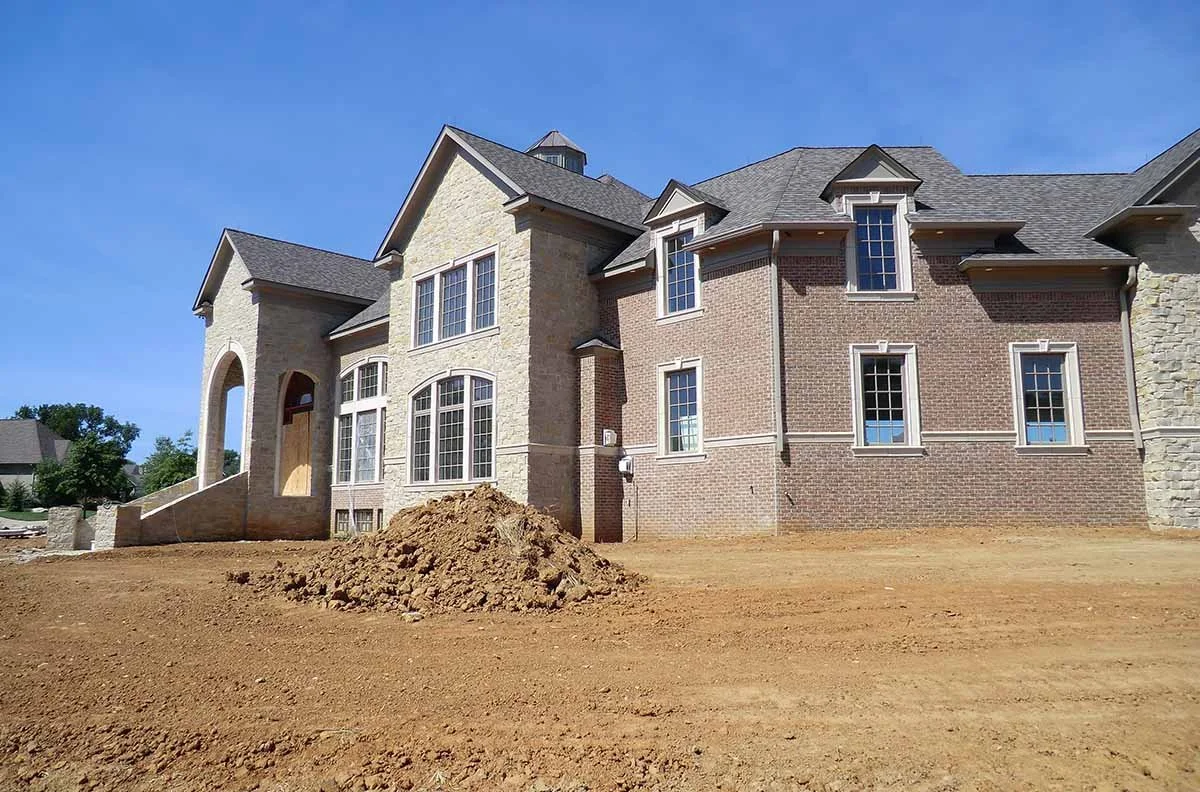
Careful Excavation and Grading for Established Properties
Excavation is the work that happens before anything visible is built, and it shapes how well everything above it holds up. We handle grading, clearing, trenching and site preparation on established properties, using compact equipment that fits through tight access. If you're not sure equipment can reach the work area, that's a great place to start the conversation.
Reaching the Work Area
On established properties, access is usually the first question. Many back yards west of Boston are reached through a side gate, between a house and a fence, or across a lawn that took years to fill in.
Compact equipment handles most of these situations. It fits through narrower openings, works well in tight areas and is much gentler on the property along the way. Where access is challenging, we plan the route in advance, lay down protection over anything we need to cross and repair any disturbance as part of the job.
What We Handle
- Site preparation for patios, walls, walkways and structures
- Grading and rough grading to set slope, improve drainage and create usable flat areas
- Clearing brush, overgrowth and small trees
- Trenching for drainage, irrigation, lighting conduit and utilities
- Stump and debris removal, with hauling and disposal included
- Soil work, removing poor material and bringing in what the project needs
Grading Shapes Drainage
Grading decides where water goes for as long as the house stands. Ground should fall away from the foundation, and low spots need somewhere to drain.
Because it's hard to change once everything is built on top, we settle the grade at the start of a project and plan it together with drainage.
Before We Dig
Massachusetts requires a Dig Safe notification before excavation, which marks public utilities in the street and up to the meter. It doesn't cover private lines on your property, such as irrigation, invisible fence, septic, propane or low-voltage lighting. Knowing where those run before we start helps the work go smoothly.
Wetlands and Local Review
Excavation near a wetland, stream or vernal pool requires conservation review in every town in this area, and buffer zones often reach further than people expect. Significant grade changes and work that alters drainage can also require permits. We identify what applies before starting and prepare the plans and details each filing needs.
Common Questions
Can you get equipment into my back yard?
Usually, yes. Compact machines need a surprisingly modest opening. The main obstacles are a narrow gate that can't be removed, a steep drop-off, or structures with no way around. We'll look at access on the first visit and let you know.
Will it damage my lawn?
There will be some disturbance along the access route and around the work area. We plan the route to keep it to a minimum, use protection where it helps, and restore what's affected as part of the job.
Do you haul away what comes out?
Yes. Soil, stumps, brush and debris are removed and disposed of. Where excavated material can be reused on site, that's often more economical than hauling it away and bringing new material in.
Do I need a permit for grading work?
It depends on the scale and the town. Minor grading usually doesn't. Significant changes, work near wetlands and anything that changes how water leaves the property often do. We sort this out during planning.