
Organic Lawn Care, Fertilization & Weed Control
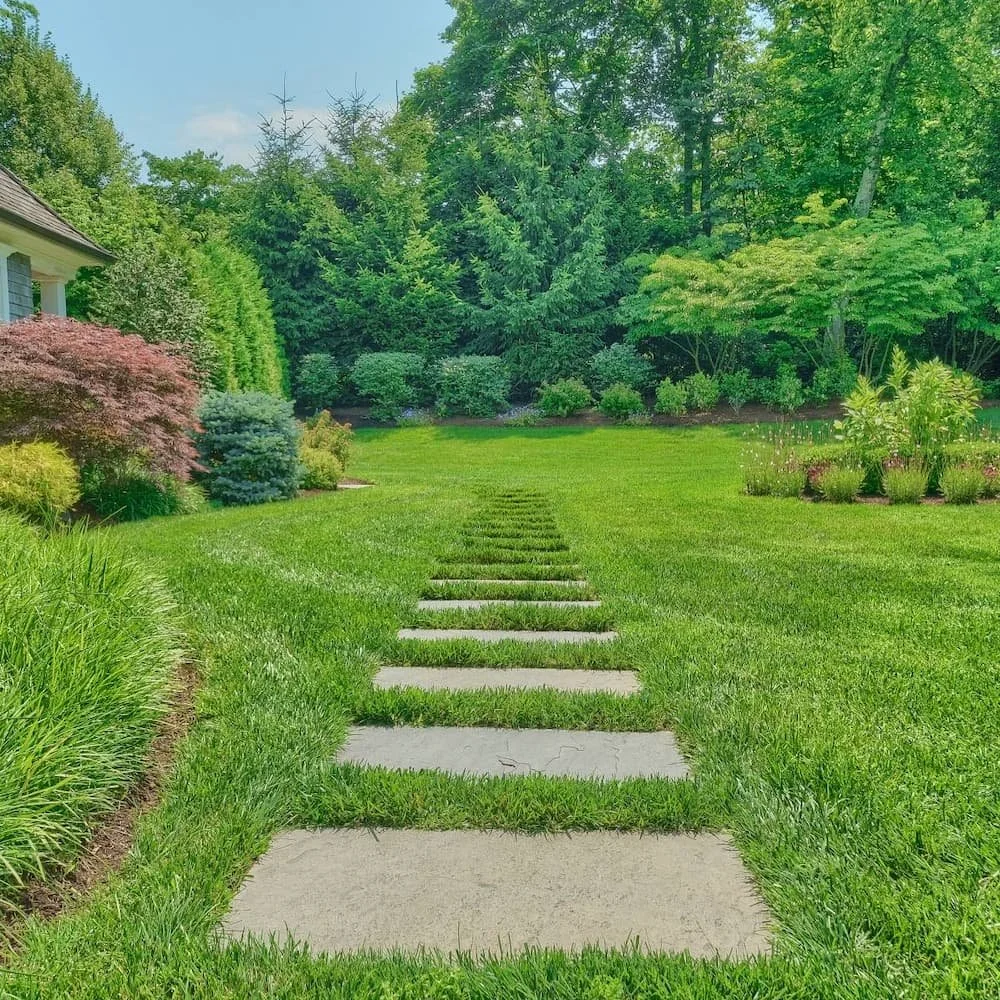
Organic Lawn Care That Builds Healthy Soil and Thick, Weed-Resistant Turf
Our organic lawn care programs feed the soil rather than pushing quick top growth with synthetic nitrogen, pairing soil-tested fertilization with weed control that starts with thick, healthy turf. Results take a little longer to show, and they hold up well once they do. Call and we'll talk through what's realistic for your lawn.
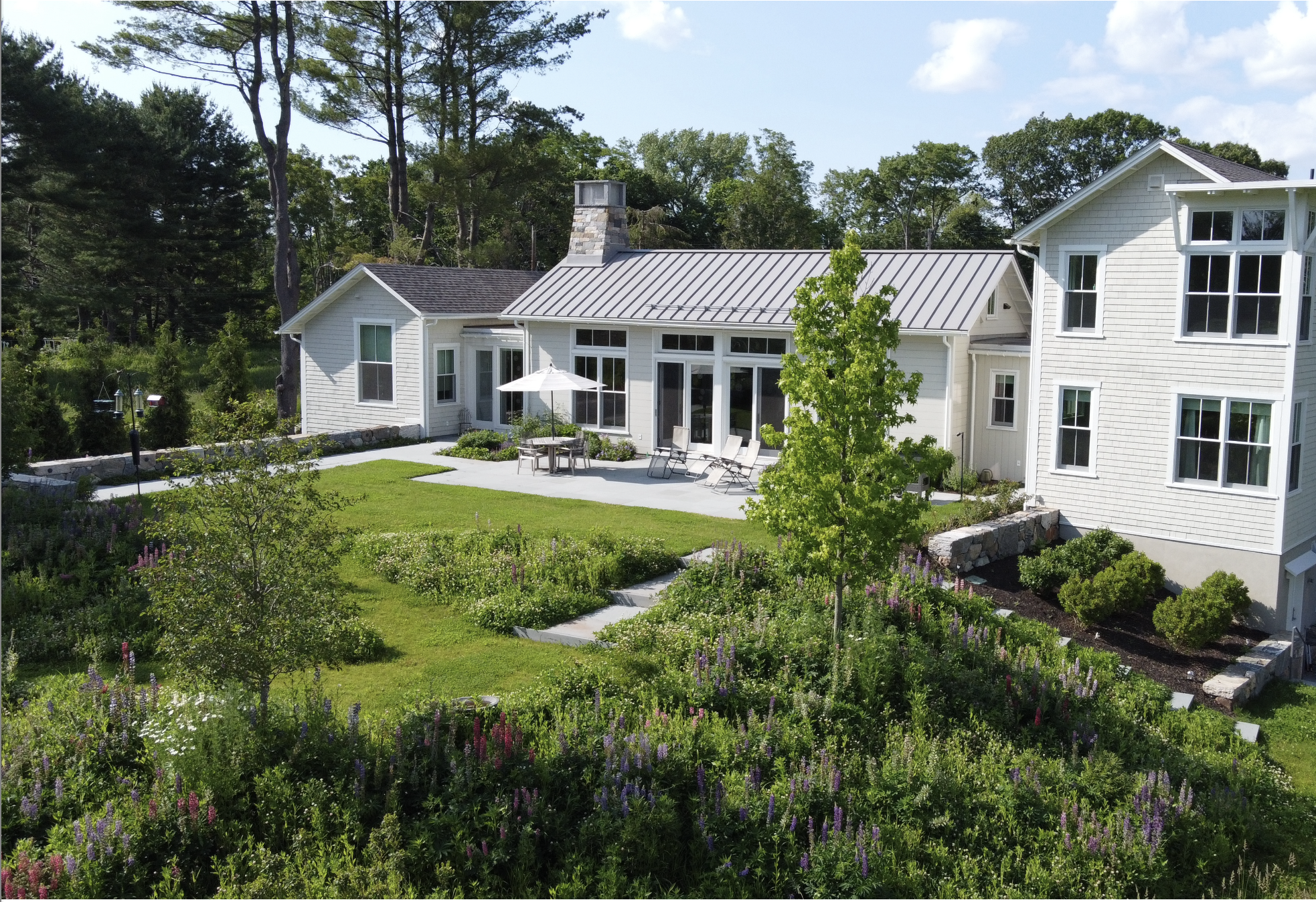
How Organic Lawn Care Works
A conventional program feeds the grass directly with fast-acting synthetic nitrogen. The lawn greens up quickly, but growth stays shallow, and the lawn depends on the next application to keep looking its best.
An organic program feeds the soil. Compost, natural fertilizers and amendments build organic matter and support the soil life that makes nutrients available to roots over time. The lawn responds more gradually, and what develops is deeper roots, better drought tolerance and turf dense enough to crowd out most weeds on its own. There's no waiting period after an organic application, so the lawn is ready to use the same day.
Soil Testing Comes First
Most lawns in this area sit on acidic soil, and much of it is compacted from construction or years of use. When pH is off, grass can't absorb nutrients properly, no matter what's applied.
A soil test shows pH, organic matter and what's actually lacking. From there we know whether the lawn needs lime, which nutrients to supply and how much organic matter we have to work with. Your program is built on those results rather than a standard schedule.
Fertilization Timed to the Season
Cool-season grasses grow in spring and fall, and fall is the more important of the two.
- Early spring - A light feeding as growth resumes. Heavy spring nitrogen pushes top growth at the expense of roots.
- Late spring - A second light feeding before the summer heat.
- Summer - Generally none. Feeding cool-season grass during heat stress does more harm than good.
- Early fall - The most valuable feeding of the year, paired with aeration and overseeding. Roots grow actively into late fall, which is what produces a strong lawn the following spring.
- Late fall - A final feeding that roots store through the winter.
We use compost, natural organic fertilizers and mineral amendments. They release slowly, which means steadier growth, less runoff and a longer feeding window.
Weed Control Starts With Healthy Turf
Weeds move into bare soil, thin turf, compacted ground and anywhere grass is struggling. A lawn full of crabgrass usually has a soil or mowing issue underneath it, and addressing that does more than any product.
- Mowing high. Taller grass shades the soil, and crabgrass seed needs light to germinate. See lawn mowing.
- Overseeding. Filling thin areas with grass before weeds can fill them.
- Aeration. Relieving compaction lets grass root deeply enough to compete.
- Correcting pH and fertility. Several common weeds point to specific soil conditions, and correcting those removes their advantage.
- Corn gluten meal. An organic pre-emergent that helps when applied before the soil warms.
- Targeted treatment and hand pulling for what gets through, rather than treating the entire lawn.
When a Problem Needs More
Organic care handles most lawns well. If a property has a persistent problem that organic methods aren't resolving, such as a stubborn weed infestation or an insect problem, we can make limited, targeted conventional applications at your request. It's always your decision, and we'll explain the options and what to expect before anything is applied.
Setting Realistic Expectations
An organic lawn isn't weed-free in its first year. By the second or third season, most lawns reach the point where weeds are no longer something you notice. We'll be clear about the timeline from the start.
Massachusetts Nutrient Rules
Massachusetts restricts phosphorus on established lawns unless a soil test shows a deficiency or the lawn is being newly seeded. The rules also limit applications near water bodies and on frozen ground. We follow them, which is one more reason a soil test is worthwhile.
Common Questions
How long before I see results?
You'll see some improvement in the first season, especially in color and density after fall aeration and overseeding. The bigger changes, in drought tolerance and weed pressure, usually show in the second year as the soil improves.
Is organic lawn care more expensive?
Somewhat, per application, since organic materials cost more. Over several years the difference narrows as the lawn needs less help.
How many applications a year?
Typically four to five over the season, with the emphasis on fall.
Can you convert a lawn that's been on synthetic products for years?
Yes, and it's a very common situation. The first year is a transition while the soil recovers, and the lawn may look slightly less uniform during that time.
Do you ever use conventional treatments?
Only when a property has a persistent problem that organic methods aren't solving, and only if you'd like us to. Any application is limited and targeted to the problem area.
What about clover?
Clover adds nitrogen to the soil and stays green through drought, and it was a standard part of lawn seed mixes for many years. Whether it counts as a weed comes down to preference, and we're happy to keep it or reduce it.