
Yard Drainage & Grading
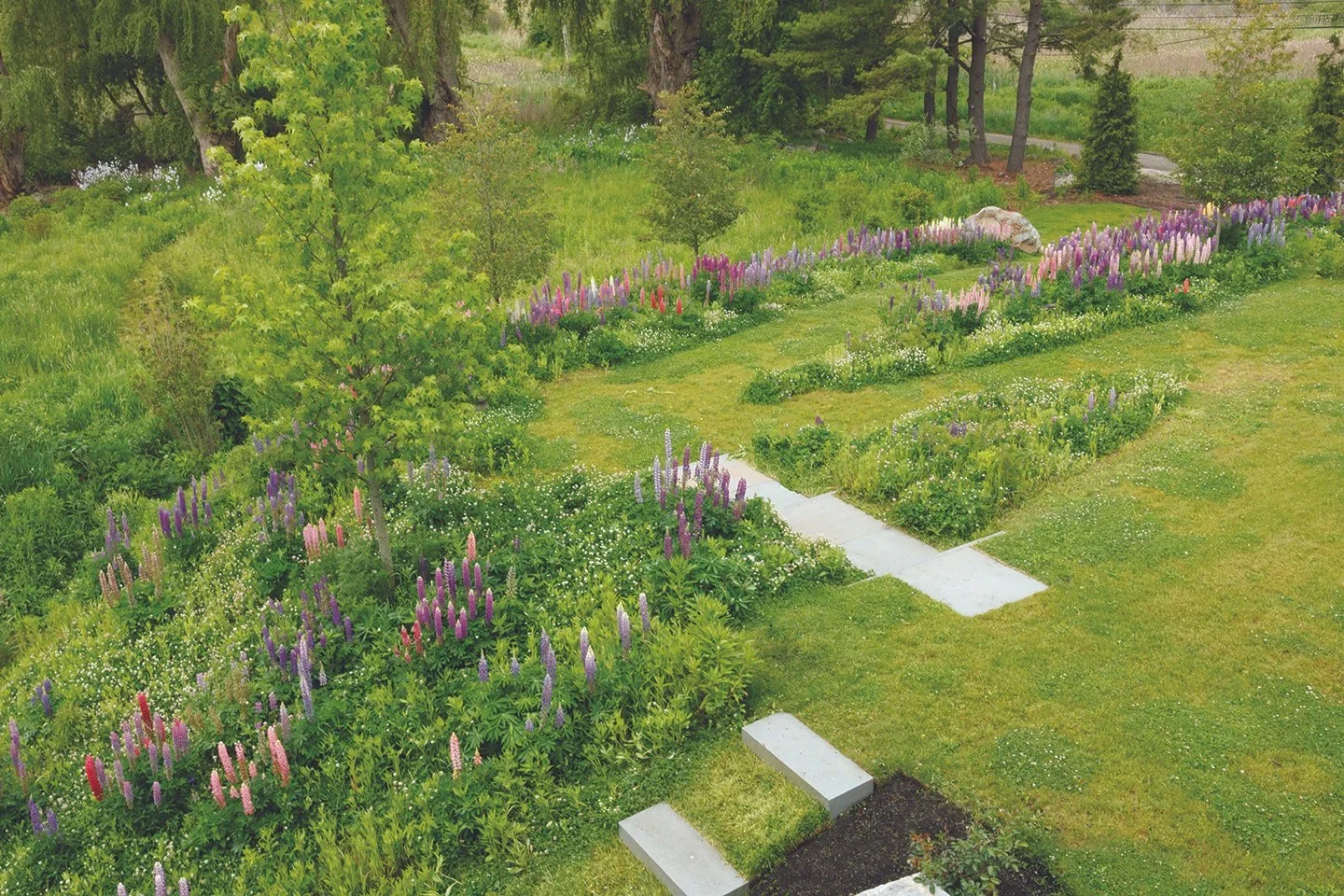
Fixing Wet Yards and Standing Water in Newton, Wellesley, and Weston Areas
Standing water, a soggy lawn or water moving toward a foundation usually starts with grading. We solve yard drainage problems by first finding out where the water is coming from, so the fix matches the actual problem. Call and we'll come take a look at what's happening on your property.
We Start by Finding the Cause
A wet basement, a soggy patch of lawn and a saturated bed can each have a different cause, and each may need a different solution.
Common causes include grade that slopes back toward the house, downspouts discharging at the foundation, compacted or heavy clay soil, a high water table, and runoff from higher ground nearby. We walk the property, look at where water comes in and where it should go, and identify what's driving it before we recommend a plan.
Simple Fixes First
A roof sheds a large volume of water, and a downspout that empties at the foundation sends all of it exactly where you don't want it. Piping downspouts away from the house is often one of the most effective changes you can make, and it's inexpensive.
Grading is next. Ground should slope away from the foundation, and on many older properties it no longer does. Correcting the grade solves a lot of water problems on its own, and it's handled as part of our site work.
What We Install
- Regrading to move water away from the house and eliminate low spots
- French drains, perforated pipe in a gravel trench wrapped in fabric, to intercept water below the surface
- Catch basins and surface drains for low areas that collect after rain
- Downspout extensions that carry roof water well away from the foundation
- Dry wells where there's no good place to discharge at the surface
- Dry creek beds and rain gardens that manage water while looking like part of the landscape
Planning Where the Water Goes
Every drainage system needs somewhere to send the water. Options include a lower point on the property, a dry well, or in some towns a storm drain connection. Water can't be directed onto a neighbor's property, so we plan the outlet carefully from the start.
Towns west of Boston also have wetlands protections that can affect drainage work. Discharging near a wetland or changing water flow within a buffer zone requires conservation review. We check whether that applies before designing the system, and prepare what the filing needs.
Drainage and Hardscape Together
Drainage is part of every patio and retaining wall we build. A wall needs drainage behind it to stay straight, and a patio needs the right pitch to shed water. Handling both at once also costs less than doing them separately.
Common Questions
Why is my yard wet when it hasn't rained recently?
Usually heavy clay holding water, a high water table, or water moving underground from higher ground. Compacted soil from equipment or years of foot traffic can also keep water from soaking in. Each has a different solution, which is why we start with a diagnosis.
Will a French drain fix a wet basement?
Sometimes, when the water is coming from the yard. Often the better solution is regrading and moving downspouts away from the house, which costs less. Water can also enter a basement from sources a yard drain can't reach, and we'll tell you if that's the case.
How long does drainage work take?
A downspout extension or catch basin is often a single day. A full French drain system with regrading runs from several days to a week, depending on length and access.
Will it tear up the lawn?
Trenches are narrow, and turf can be cut and replaced or reseeded. Some disturbance is unavoidable, and restoring it is part of the job. See lawn restoration.