
Garden Bed Maintenance, Mulching & Seasonal Plantings
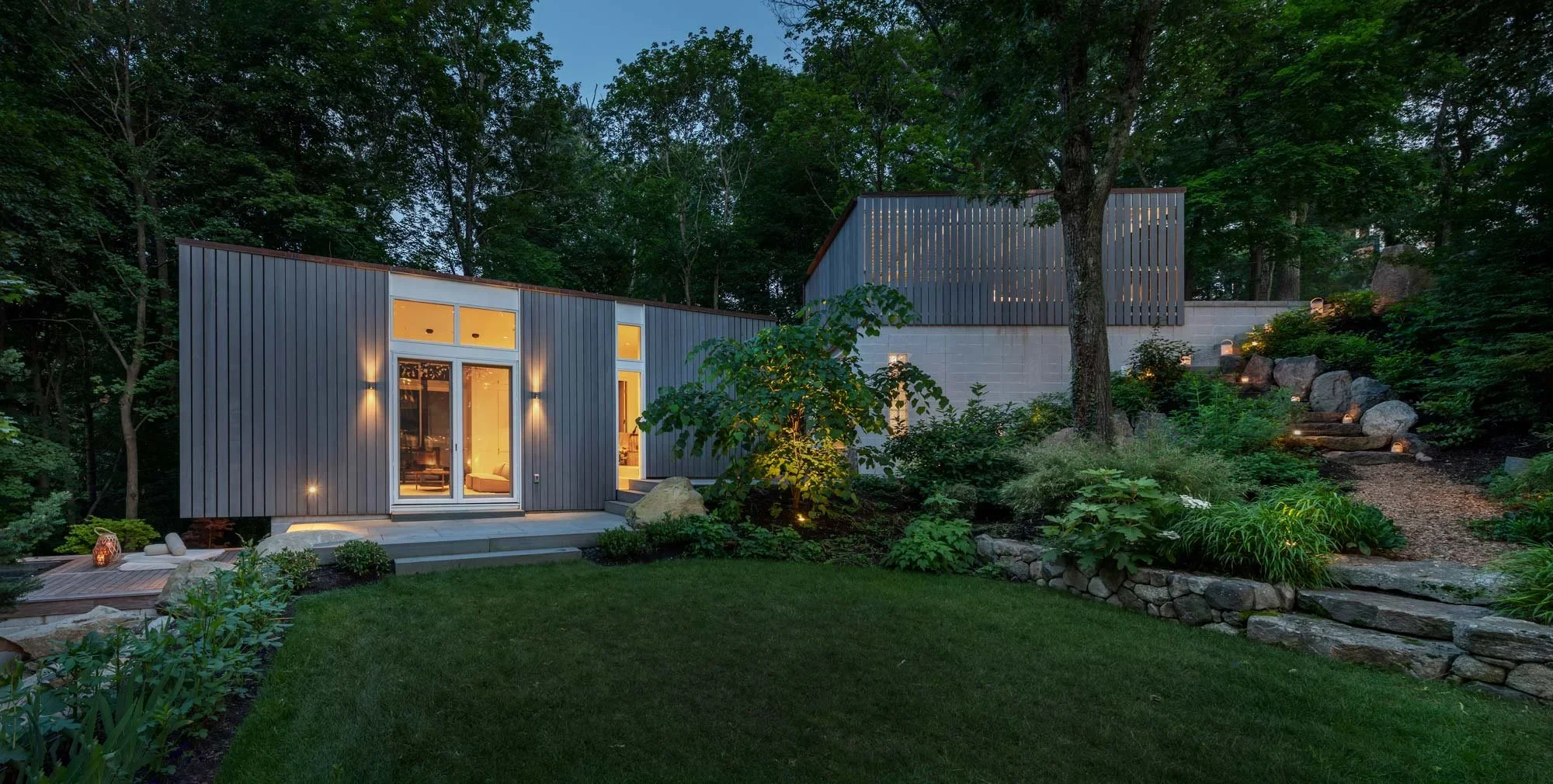
Garden Beds, Fresh Mulch and Seasonal Color That Look Cared For All Year
Well-kept garden beds make a property look cared for, and regular attention keeps them that way. We handle weeding, edging, mulching at the right depth and seasonal plantings, so beds stay crisp from the first spring bulbs to the winter containers.
Contact us and we'll walk the beds with you and price the season.
Regular Visits Make the Difference
How a bed looks by August depends on how often someone is in it. A weed pulled in May takes seconds. The same weed left until August has gone to seed across the bed.
Most properties do well with visits every two to three weeks through the growing season. That steady rhythm keeps beds looking good all season with less effort overall.
What Regular Care Includes
- Weeding on a schedule, before anything flowers and sets seed
- Crisp bed edges, cut in spring and maintained through the season
- Deadheading to extend bloom
- Cutting back perennials at the right time
- Dividing perennials that have outgrown their space
- Light pruning within beds, with larger work covered under tree and shrub care
- Mulch checked and topped up where beds have thinned
A hand-cut edge between lawn and bed is the detail that makes a property look maintained. It defines the shape, keeps mulch out of the lawn and stops grass from creeping in, and it holds up better than plastic or metal edging, which tends to heave out of the ground.
Mulch at the Right Depth
Mulch holds moisture, keeps weed seed from germinating and protects roots from temperature swings. Two to three inches is the right range. Adding a full new layer every spring can build up to five or six inches over a few years, which sheds water and holds moisture against stems, so we measure first and add only what the beds need.
We also keep mulch off tree trunks. Mulch piled against bark keeps it constantly wet, which invites rot and encourages roots to grow up into the mulch instead of out into the soil. We pull it back so the base of the trunk is visible and spread it in a flat ring.
Choosing Mulch
- Shredded bark. The standard for most beds. It knits together on slopes and improves the soil as it breaks down.
- Bark nuggets. Longer lasting with a coarser look, though they can wash out of beds that get runoff.
- Composted mulch. Excellent for the soil, and a natural fit with organic lawn care. It needs topping up more often.
- Dyed mulch. Holds its color longer, though it's often made from recycled wood and adds less to the soil.
- Stone. No yearly cost, but it doesn't improve the soil and holds heat against plants. It works best in drainage areas.
Why We Skip Landscape Fabric
Fabric under mulch stops weeds for a season or two. Then mulch breaks down into soil on top of it, weeds root into that layer and become anchored in the fabric, where they're hard to pull. Mulch at the right depth, maintained each year, does the job better.
Seasonal Plantings and Containers
Seasonal plantings are the part of the landscape that changes through the year, and they go a long way toward making a property feel welcoming. A well-planted pair of containers at an entrance changes how the whole front looks, for a fraction of the cost of a new bed.
- Spring. Pansies and violas early, then the main annual planting once frost risk has passed, with bulbs from the previous fall coming up first.
- Summer. Annual beds and containers chosen for the light in each spot and for holding up through August.
- Fall. Mums, ornamental cabbage and kale, asters, and bulb planting for the following spring.
- Winter. Cut evergreens, winterberry, red twig dogwood and birch in containers and window boxes, which last the season with no maintenance.
We choose plants for the light each location actually gets, so displays hold up well into September. Containers in full sun can need water daily in July, and drip irrigation run to containers takes care of that. See irrigation and sprinklers. Where deer visit regularly, we lean on daffodils, alliums and other plants they leave alone.
A Thoughtful Fall Cutback
Not everything needs to be cut back in fall. Seed heads feed birds, stems catch snow and protect the plant's crown, and ornamental grasses give the garden structure through the winter. Anything that had disease during the season is cut back and removed so the problem doesn't carry over.
Common Questions
How often should beds be visited?
Every two to three weeks through the growing season for most properties. Spring and early summer are when weeds grow fastest and regular visits matter most.
Can you take over neglected beds?
Yes. We start with a restoration: clearing, deciding what's worth keeping, and re-establishing edges and mulch. After that, the beds move to a regular schedule. We price the two stages separately.
How often should beds be mulched?
Once a year for most properties, maintaining two to three inches in total rather than adding a set amount each year.
When should mulch go down?
Late spring, once the soil has warmed. Beds are weeded and edged first, so mulching follows spring cleanup.
How many seasonal planting changes a year?
Usually three: spring annuals, a fall display and winter arrangements. Some properties add an early pansy planting for a fourth.
Can you maintain beds to a designer's planting plan?
Yes. If your beds were designed by a landscape architect or designer, we'll maintain them to that plan.